For eleven years, I ran poetry sessions with senior citizens in care homes and community settings.
These sessions were never simply about reading or writing poems. Poetry became a starting point — a way of unlocking memories, encouraging conversation, sharing laughter and giving people an opportunity to tell their stories.
A single question could open a door.
“When I was a child, I used to…”
From there came memories of ice skating, dolls, walking in the hills, family holidays, music, flowers and people who had mattered throughout their lives. Sometimes a single word was enough to begin a conversation.
I learned that the most important part was not necessarily the poem we created. It was what happened while we were creating it.
How the sessions worked
I would begin with a poem, a question, an object, a piece of music or sometimes simply a word.
There was no pressure to write, and there was no right or wrong answer. The aim was to get people talking — about childhood, family, places they had visited, things they remembered, music they loved, or something as simple as a favourite flower.
A memory from one person would often trigger a memory in another.
Sometimes we would build a poem together, with each person contributing a line or an idea. I would take those contributions away, shape them into a poem and bring it back to the group at the next session.
And sometimes the poetry itself was almost secondary.
A line about an old doll could lead to a story about childhood. A question about holidays could open up memories of travelling. A familiar song could suddenly bring a whole room together.
The words were the starting point. The people were the real story.
Moments from the Workshops
The most memorable parts of the sessions were often the moments that happened unexpectedly.
A childhood on ice
I asked the group to complete a simple sentence:
“When I was a child, I used to…”
One resident immediately remembered skating at her local ice rink. When I asked what she remembered about it, she talked about the shiny dresses reflected on the ice and how she loved watching the skaters.
Another remembered playing with a favourite doll. Someone else remembered writing stories, while another spoke about walking in the Cumberland hills with her father.
The exercise had started with a single unfinished sentence. Within minutes, the room was full of memories.
The shark that wasn’t there
At another session, one resident recalled going fishing with her husband and son.
I asked whether she had caught anything.
I joked that at least she hadn’t caught any sharks.
The idea of catching a shark in a canal was so ridiculous that the whole group — including the helpers — burst out laughing.
It was a reminder that therapeutic poetry didn’t have to be serious all the time. Laughter was part of the process too.
Eldorado
Perhaps my favourite example came when I asked the group to think of a title for a poem about any subject — past, present or future.
Most found the question a little too open-ended.
But one ninety-year-old resident immediately wrote down a single word:
Eldorado.
I asked her why.
She told me that the word reminded her of ice cream.
She then announced that she was going to look it up on Google.
And there it was: a perfectly ordinary word had opened a door into a memory.
Sometimes the poem wasn’t the point
I also learned that people respond to poetry in very different ways.
Some joined in immediately. Some needed encouragement. Some preferred simply to listen. One resident would sometimes sing instead of writing, while another would sit quietly and observe. I learned not to force participation.
The sessions became less about producing a finished poem and more about giving people the opportunity to remember, respond, laugh, listen and be heard.
That, for me, was the real value of therapeutic poetry.
Poems from the Sessions
The poems were written by me, based on the memories of the residents. They began with a word, a memory or a line offered by someone in the room.
What mattered was the conversation that grew around them.
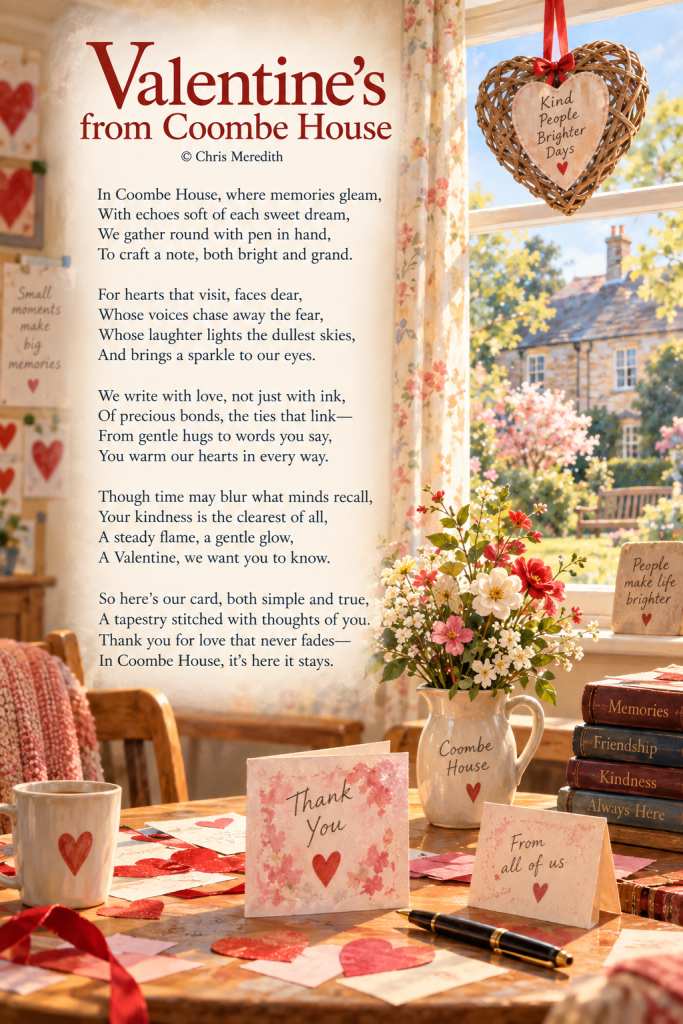
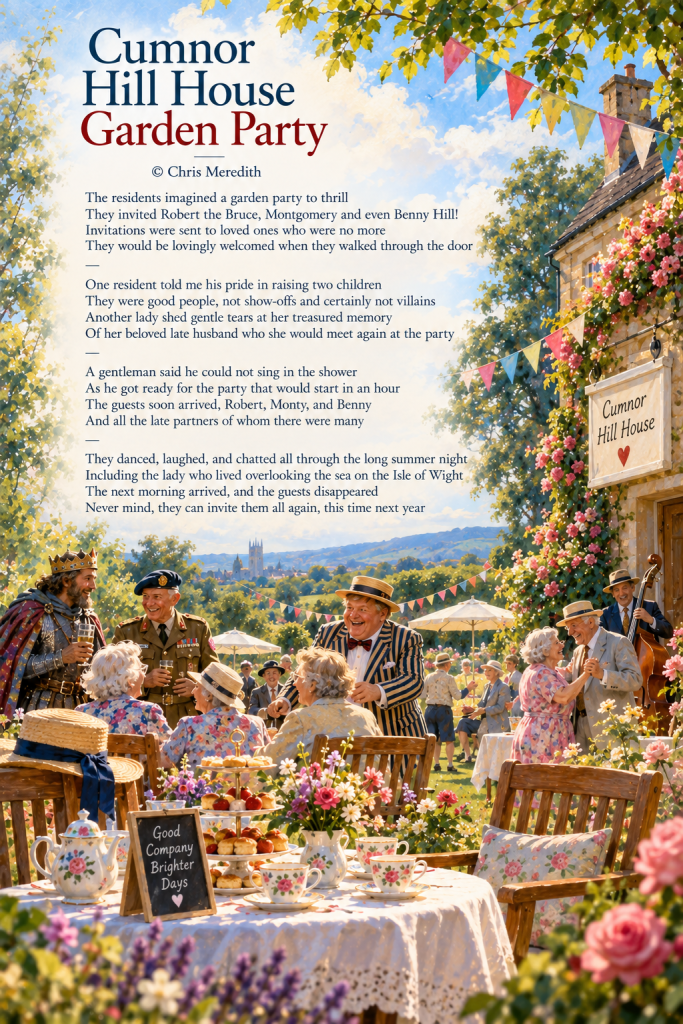
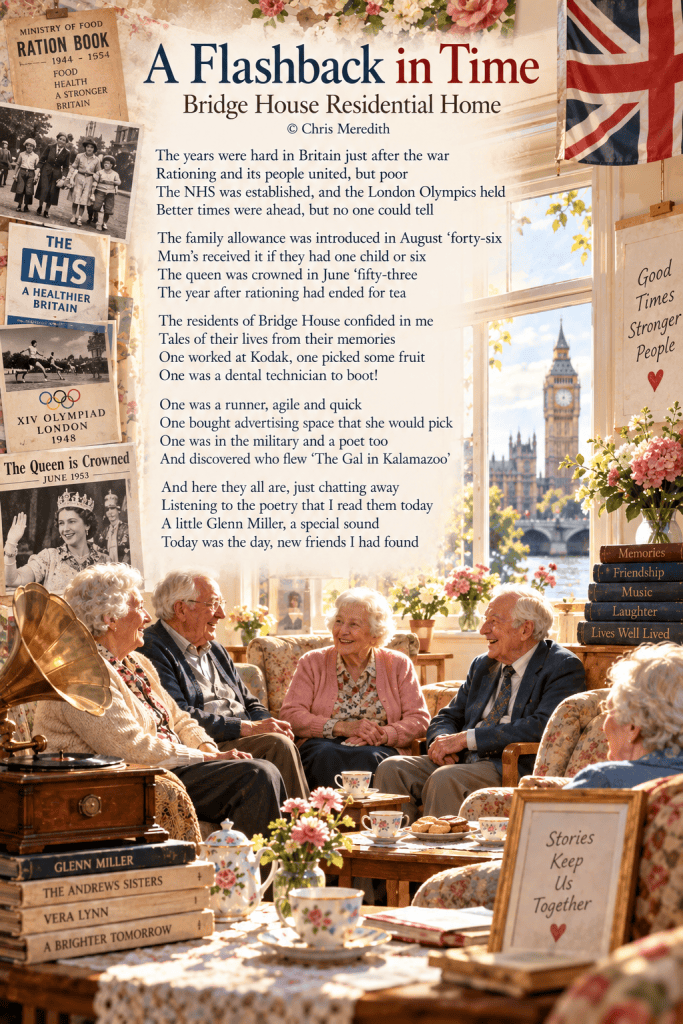
Here are a few examples from those sessions.
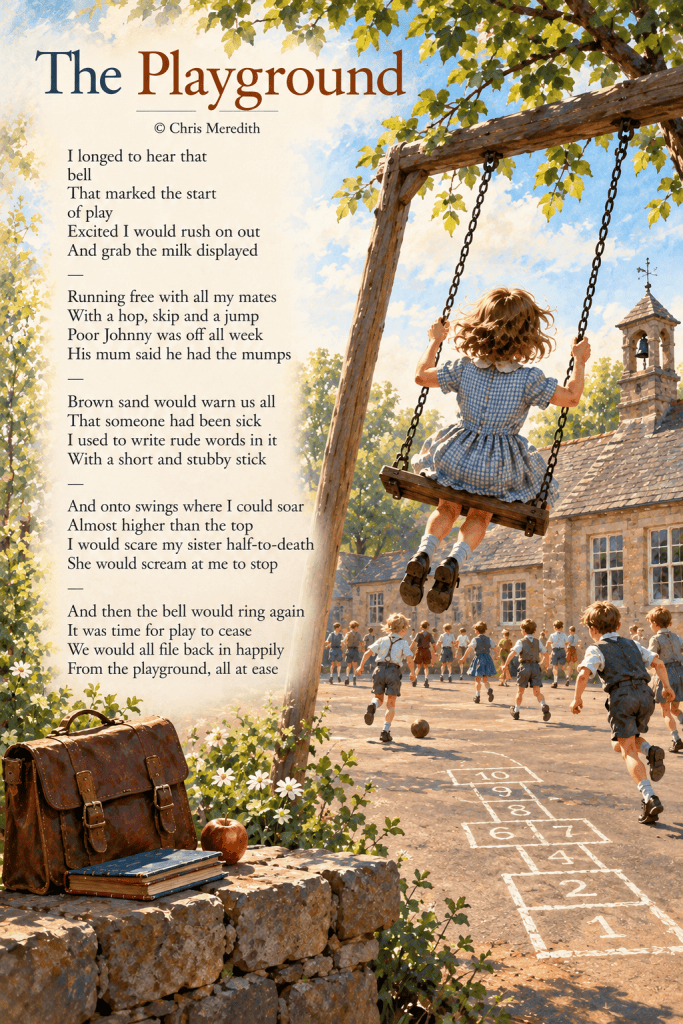
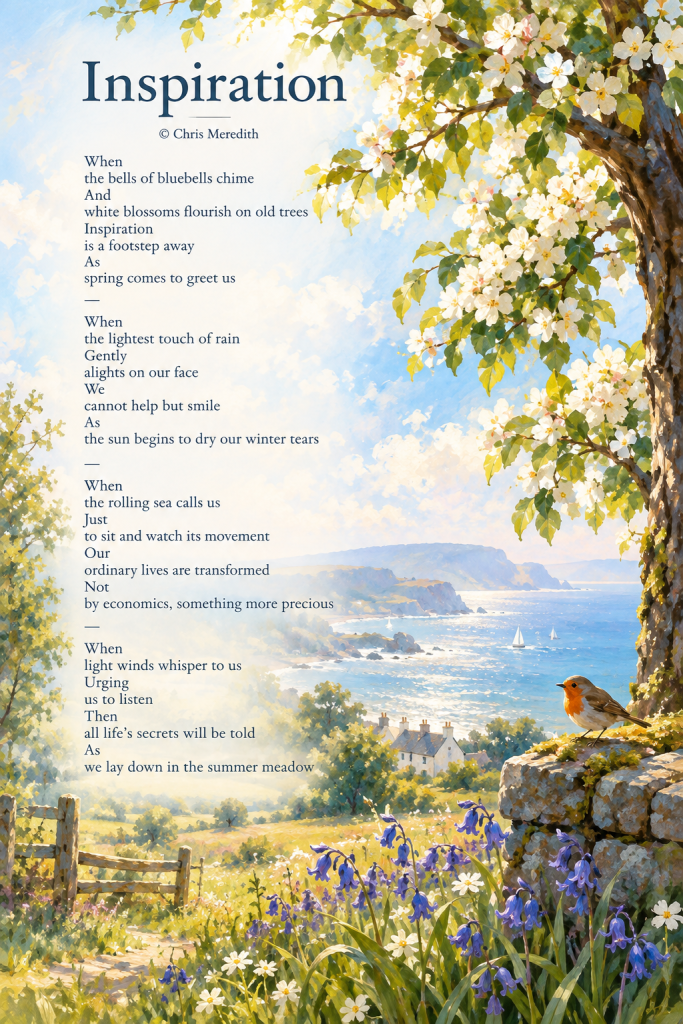
Poetry directly from the residents’ memories.